How photographs transcend the traditional boundaries of visual storytelling: Encounters series
- Andrea Apicella
- Nov 24, 2023
- 5 min read

Updated: Dec 4, 2023
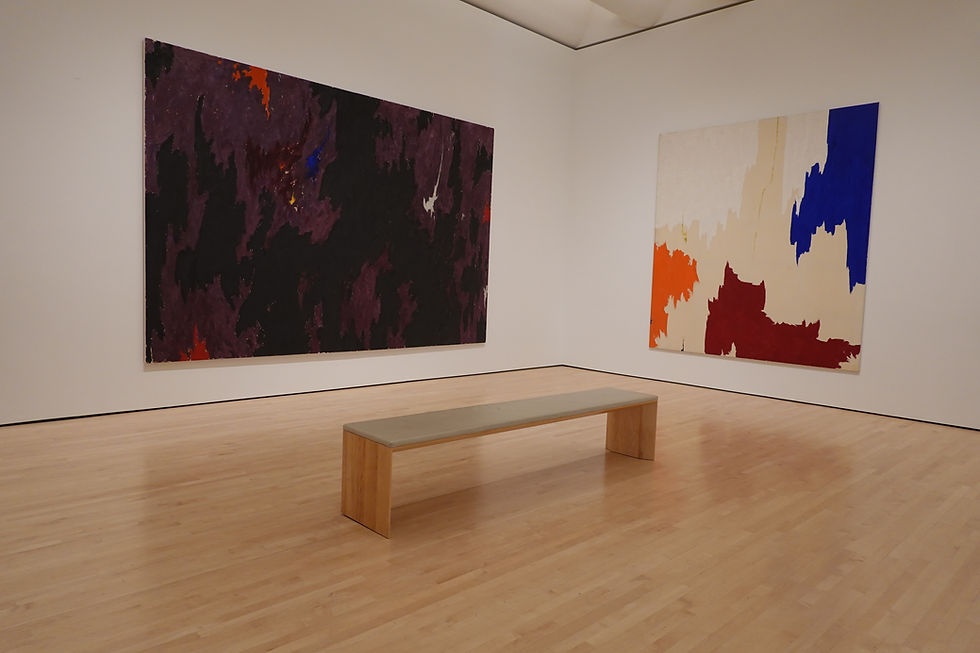
"Encounters"photographs series facilitates a continuous interaction between two systems: what the viewer brings to the artwork and what the artwork reveals to the viewer.
The photographic series, "Encounters," transcends the traditional boundaries of visual storytelling, weaving a rich narrative that unfolds within the hallowed halls of museums. This captivating collection delves into the nuanced dynamics of human interaction with art, capturing the intimate moments when museum visitors engage with the profound beauty of the works before them. As both an art consultant and photographer, I try to infuse my lens with a unique perspective, drawing from philosophical underpinnings, psychological insights, and a keen sociological awareness. From an overwall perspective, each setting becomes a character in the visual narrative, influencing the way individuals engage with art and enhancing the overall aesthetic experience. Each setting becomes a character in the visual narrative, influencing the way individuals engage with art and enhancing the overall aesthetic experience.

At the heart of "Encounters" lies the philosophical influence of Hans-Georg Gadamer's hermeneutics
Gadamer posited that interpretation is not merely an intellectual exercise but an integral part of the experience itself. In terms of art partnerships, the viewer becomes an active participant, contributing their own interpretation to the evolving dialogue with the artwork. My series echoe this philosophy, capturing the essence of the viewer as a vital element in the artistic encounter.
Hans-Georg Gadamer's hermeneutics and my encounters
Hans-Georg Gadamer's hermeneutics, a philosophical framework deeply rooted in understanding interpretation and dialogue, finds a compelling application within the context of the museum and the interaction between the spectator and the artwork. In the realm of art, Gadamer's hermeneutics offers a profound perspective on how meaning is constructed, negotiated, and continually reshaped through the dynamic engagement between the viewer and the artwork. At the core of Gadamer's hermeneutics is the concept of the "fusion of horizons." This idea posits that interpretation is not a solitary act but a dialogue between the viewer's preconceptions and the "horizon" of the artwork. The "horizon" represents the entirety of the artwork's meaning, encompassing its historical, cultural, and aesthetic context. Through the process of interpretation, the viewer's own horizon merges with that of the artwork, creating a dynamic interplay where meaning is co-constructed.
With regard to my viewer photographs series, this fusion of horizons becomes a living dialogue within the spatial and cultural confines of the gallery. As spectators enter the museum space, they bring with them a myriad of experiences, perspectives, and cultural backgrounds that shape their individual horizons. Gadamer emphasizes the importance of acknowledging these preunderstandings, as they are integral to the interpretative process

In applying Gadamer's hermeneutics to the museum setting, the role of the curator becomes pivotal. The curator, as a mediator between the artworks and the audience, influences the initial horizons of the spectators by shaping the context in which the artworks are presented. The curation process becomes a nuanced act of interpretation, guiding viewers in their engagement with the artworks while allowing for the openness of interpretation.
Hans-Georg Gadamer's hermeneutics offers a profound lens through which to understand the interaction between the spectator and the artwork within the museum. By emphasizing the fusion of horizons and the transformative nature of interpretation, Gadamer's philosophy highlights the dynamic and participatory nature of the viewer's engagement with art. This perspective challenges static notions of meaning, encouraging a continuous dialogue that unfolds within the curated spaces of the museum, enriching the cultural tapestry of our collective understanding.
Encounters, Gadamer and beyond
The photographs within "Encounters" serve as visual manifestations of Gadamer's concept of the fusion of horizons. Each frame freezes a moment where the horizon of the observer merges with that of the observed artwork, creating a symbiotic relationship between the viewer and the artistic creation. This fusion is evident in the expressions, postures, and gazes of the individuals captured by camera, revealing the dynamic interplay between the subjective experiences of the viewers and the objective presence of the artworks.
Psychologically, the series delves into the intricacies of the art-viewer relationship. The lens metaphorically becomes a conduit for capturing the emotional responses, intellectual contemplations, and sensory engagements that unfold within the museum space. Through subtle nuances of facial expressions and body language, the photographs convey the depth of the psychological connections formed between individuals and the art they encounter. It becomes a visual exploration of the transformative power of art on the human psyche.
The enthusiasm driving "Encounters" lies in a sort of exploration of the human psyche in response to aesthetic stimuli. The joy is palpable as I quietly observe the subtle expressions, the furrowed brows of contemplation, and the infectious smiles sparked by artistic revelation. Each photograph encapsulates a moment where the mundane transforms into the sublime, where the viewer becomes an active participant in the ongoing narrative of art's impact on the human soul

It is clear that my perspective is on capturing the sublime moments of aesthetic appreciation, where the viewer transcends the mundane and is momentarily transported into the realm of the artistic sublime. Whether it's a contemplative gaze at a classical painting or an animated discussion in front of a contemporary installation, each photograph becomes a window into the diverse emotional and psychological landscapes traversed by museum visitors.
Sociologically, "Encounters" provides a fascinating exploration of the social dimensions within museum spaces. The series captures the diversity of visitors, ranging from individuals immersed in solitary reflection to groups engaged in animated discussions.
Furthermore, this photographic project navigates through a principle of demographics, revealing how tourists from different walks of life, ages, and cultural backgrounds converge within the museum, creating a microcosm of societal diversity.

Encounters, a shared experience
The images also unveil the democratization of art appreciation, breaking down traditional hierarchies associated with museums. "Encounters" portrays the inclusive nature of museums, where art becomes a shared experience accessible to people of varying social and cultural contexts. This sociological perspective aligns with the evolving role of museums as cultural spaces that foster inclusivity and diversity.
"Encounters" is a testament to my intention to capture the essence of museum spaces as dynamic arenas for human interaction with art. This visual narrative transcends documentation; it is an intimate journey through the corridors of shared human experiences. From the MASP in São Paulo to the Guggenheim in Bilbao, each museum and institution setting becomes a unique backdrop for the unfolding human drama. The series also highlights the evolving nature of museum spaces, which no longer serve solely as repositories of art but as vibrant hubs for cultural dialogue.
The relationships portrayed in "Encounters" extend beyond the human-to-art connection to encompass the interactions among visitors. My photographs capture the shared experiences, the camaraderie of friends exploring art together, and the subtle gestures of strangers sharing a common aesthetic journey. These social dynamics enrich the visual narrative, adding layers to the collective experience of art appreciation.

The contextual richness of the photographs is heightened by the varied settings of museums worldwide. From the serenity of classical art galleries to the avant-garde spaces housing contemporary installations, my photos navigates through the architectural and curatorial diversity of museums. Each setting becomes a character in the visual narrative, influencing the way individuals engage with art and enhancing the overall aesthetic experience.
My series "Encounters" is a multifaceted exploration that seamlessly integrates philosophy, psychology, sociology, and art. The series transcends mere documentation, offering viewers a profound reflection on the intricate relationships formed within museum spaces. Through the corridors of Gadamerian hermeneutics, I capture the essence of art as a living dialogue, where the viewer becomes an active participant in the ever-evolving narrative of aesthetic appreciation.
In conclusion, the images strongly stand as a visual interaction to the transformative power of art, the diversity of human responses, and the inclusive nature of cultural spaces that unite us in the shared pursuit of beauty and meaning.


Comments